
Legacy software modernisation
Legacy software modernisation and system takeover
Already have software that works, but slowly, or that nobody is left to maintain? We take it over, stabilise it, and modernise it in stages, without stopping the business while we do it.
At a glance
- Takeover from another team
- Migration in stages
- Integrations kept working
- Ongoing support
Why now
When an existing system starts holding the business back
Legacy software modernisation is rarely about the age of the code. It becomes urgent when the original developer has moved on, when a framework or PHP version falls out of support, when releases get risky, or when a system can no longer be changed as fast as the business needs.
Replacing everything at once is usually the most expensive and most dangerous option. We would rather take the system over, make it safe to change, then modernise the parts that are actually costing you money.
We do this for systems we did not build. Reading someone else’s code and infrastructure is a normal part of our work, not an exception.
Signs a system needs taking over
- The people who built it have moved on
- Releases are manual and risky
- The framework or language version is unsupported
- Small changes take weeks
- Nobody is sure what would break
What legacy software modernisation covers
We pick up systems built elsewhere and keep them running while they improve.
Takeover and stabilisation
We learn the system, document what matters, fix what is urgent and make releases repeatable before changing anything else.
Staged modernisation
Rebuilding module by module, or replacing a legacy product with a custom platform alongside the old one, so the business keeps trading.
Data migration
Moving accounts, history and records from the old system, with checks that counts and balances match before anything is switched over.
Integrations
Keeping payment, marketing, accounting and internal tools connected through APIs, webhooks and scheduled jobs while the system underneath changes.
Hosting and operations
Moving the application onto servers we manage, with deployments, monitoring and backups, or working with your existing hosting.
CloudOpsOngoing engineering
Staying on after the modernisation: fixes, updates and new features on the same codebase, by the team that now knows it.
Where we start
The initial assessment
We do not quote a modernisation from the outside. We start with a review of the system, scoped and priced before it begins, and you get the findings in writing.
We read the code and the database, look at how the application is deployed and monitored, and talk to whoever runs it day to day. We are looking for what will break, what is costly to change, and what can be left alone.
The output is a written picture of the system, the risks in priority order, and options with rough effort against each, so you can decide what to do first.
What the assessment covers
- Code, dependencies and version support
- Database structure and data quality
- How releases and backups work today
- Integrations and what depends on them
- Security and access risks
- Priced options, highest risk first
Data and integrations
How we handle your data and the systems around it
Migrations are judged on whether the numbers match afterwards. We migrate into a copy first, compare record counts and balances against the old system, and keep running both in parallel until the comparison is clean.
Integrations are mapped before anything moves: what calls the system, what the system calls, and what breaks if a field changes. Where a connection is fragile, we put it behind a queue so a slow third party cannot take your application down.
Access is kept to what the work needs, and where it is practical we develop against a copy of the data rather than live customer records. Switch-over is planned with a way back.
How we work with live data
- Migrate into a copy and compare first
- Old and new run in parallel before switch-over
- Integrations mapped before anything changes
- A copy of the data for development where practical
- Every switch-over has a rollback
A modernisation we delivered
Elliott Wave Forecast ran its memberships and payments on a legacy aMember install alongside its WordPress site.
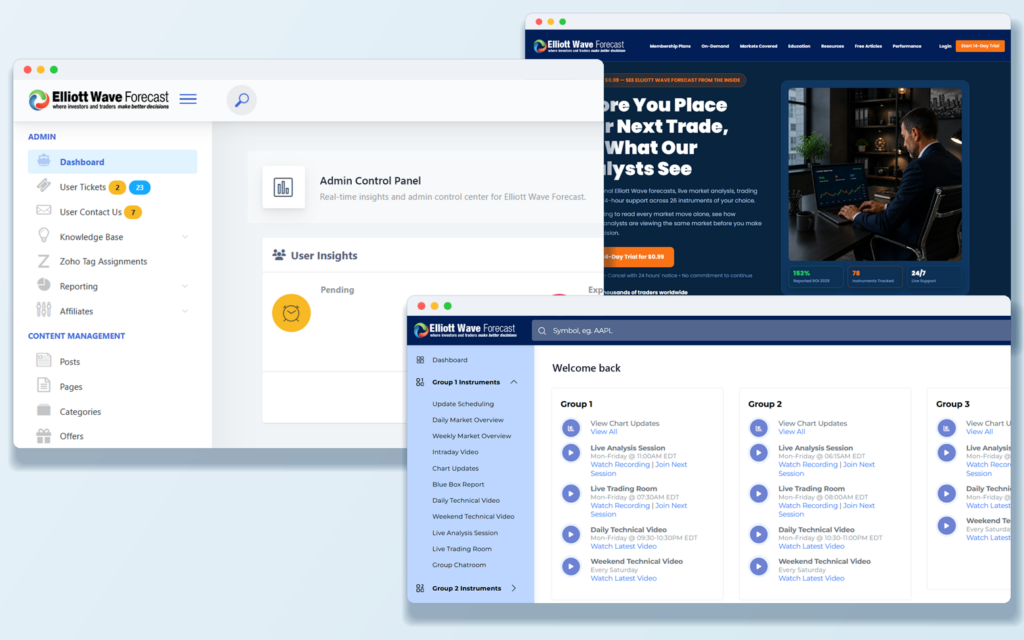
47,000+subscription records migrated and managed
- Daily automated renewals
- Queued integrations
- Member dashboard
- Custom admin
Client case study · Legacy replacement
Elliott Wave Forecast
Memberships, payments and content split across WordPress plugins and a legacy aMember install that was increasingly hard to change.
A custom Laravel platform with payment integration, recurring billing, a member dashboard, a custom admin and APIs, built alongside the existing WordPress site and migrated across.
OutcomeBilling, renewals, support and content now run on one platform the business owns, and we continue to develop it.
- Laravel 10
- PHP 8.1
- Payment integration
- REST APIs
- WordPress
Our product · UAE
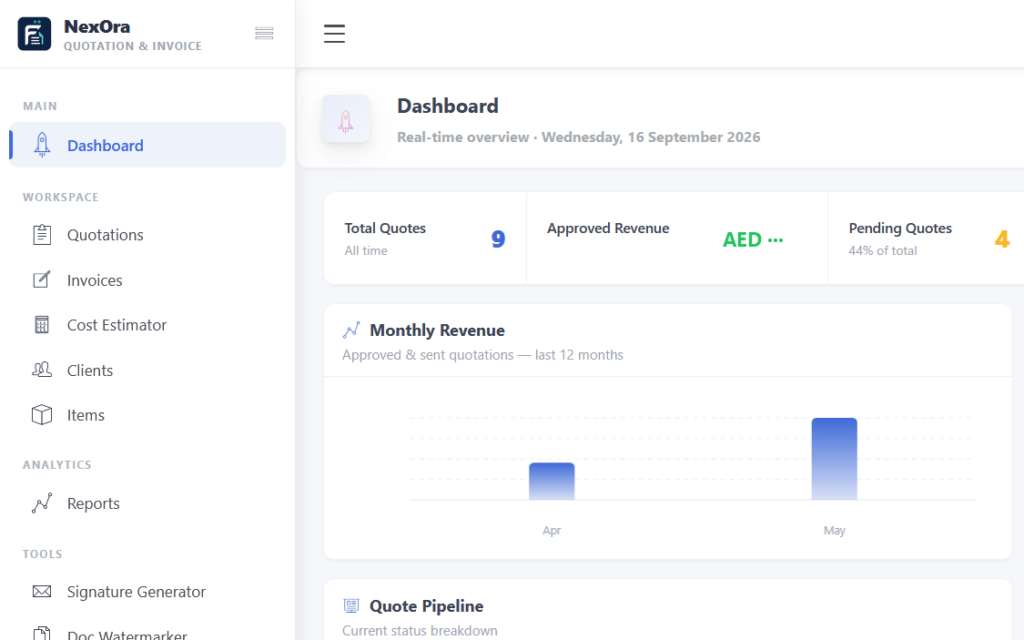
Faatura Cloud
UAE contractors still estimating and quoting jobs in spreadsheets.
Cost estimates, quotations and 5% VAT tax invoices in one platform, in English and Arabic.
OutcomeAn approved quotation becomes an invoice in one click.
- Angular
- Arabic RTL
- Multi-company
- UAE VAT
Our product · Grocery list app
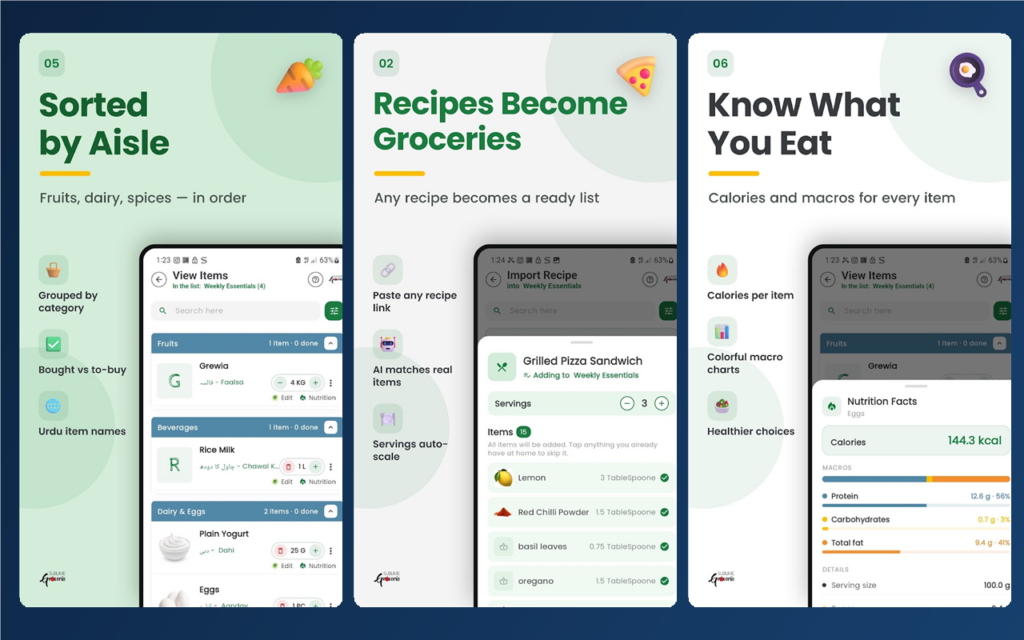
Sublime Groceria
- 433users
- 253grocery lists
- 1,462list items
Grocery lists, recipes and nutrition information spread across different places.
A Flutter app, a website and web app, with the admin in Sublime Care Cloud.
OutcomeLive on Google Play and the web, managed from Sublime Care Cloud.
- Flutter
- .NET API
- SQL Server
Handover
Handover, in both directions
Taking a system over starts with getting proper access: the code repository, the servers, the domains and the third-party accounts. Where any of that is missing, finding it is part of the assessment, and it is often the slowest step.
While we work, the system stays documented: how it is deployed, what the scheduled jobs do, which integrations exist and where the credentials live.
If you later move the work in-house or to another team, you get the repository, the infrastructure and that documentation. Code ownership for a system we build for you is set out in the project agreement before work starts.
What you get either way
- Repository and deployment access
- Written notes on how it runs
- Integration and credential inventory
- A named engineer who knows the system
Questions about taking over an existing system
What owners usually ask before handing a system across.
Can you take over software another company built?
Yes, that is most of this work. We start by reviewing the code, the database and how it is deployed, then stabilise what is urgent before changing anything else. For Elliott Wave Forecast we replaced a legacy aMember system with a custom Laravel platform connected to the client's existing WordPress site.
What if we do not have the original developer or full access?
That is common. We work from whatever exists, the live server, a backup, a repository, and list what is missing as part of the assessment. Recovering access to domains, hosting and third-party accounts is often the first task.
Do we have to rewrite everything?
Usually not, and we will say so if a rewrite is not worth it. Most projects stabilise the current system first, then replace the parts that cost the most to run or change. A full rebuild is a decision taken on evidence from the assessment, not a default.
Will the business have to stop while you migrate?
No. We migrate into a copy, compare it against the live system, and run the two in parallel until the figures match. Switch-over is planned for a quiet window with a rollback ready.
What technologies do you take on?
We work with .NET and ASP.NET Core, PHP and Laravel, WordPress and WooCommerce, Magento, Angular and Flutter, with SQL Server and MySQL. If something falls outside that, we will tell you after the review rather than learn on your budget.
How much does an assessment cost?
The review is scoped and priced before it starts, and the price depends on the size of the system and how much access exists. Tell us what you have and we will scope it.
What happens after the modernisation?
Most clients stay on a support arrangement: hosting, monitoring, fixes and new features from the team that now knows the system. We continue to develop the Elliott Wave Forecast platform after launch.
Tell us about the system you already have
What it does, what is going wrong, and what you know about how it was built. We will tell you honestly whether it is worth keeping, modernising or replacing.